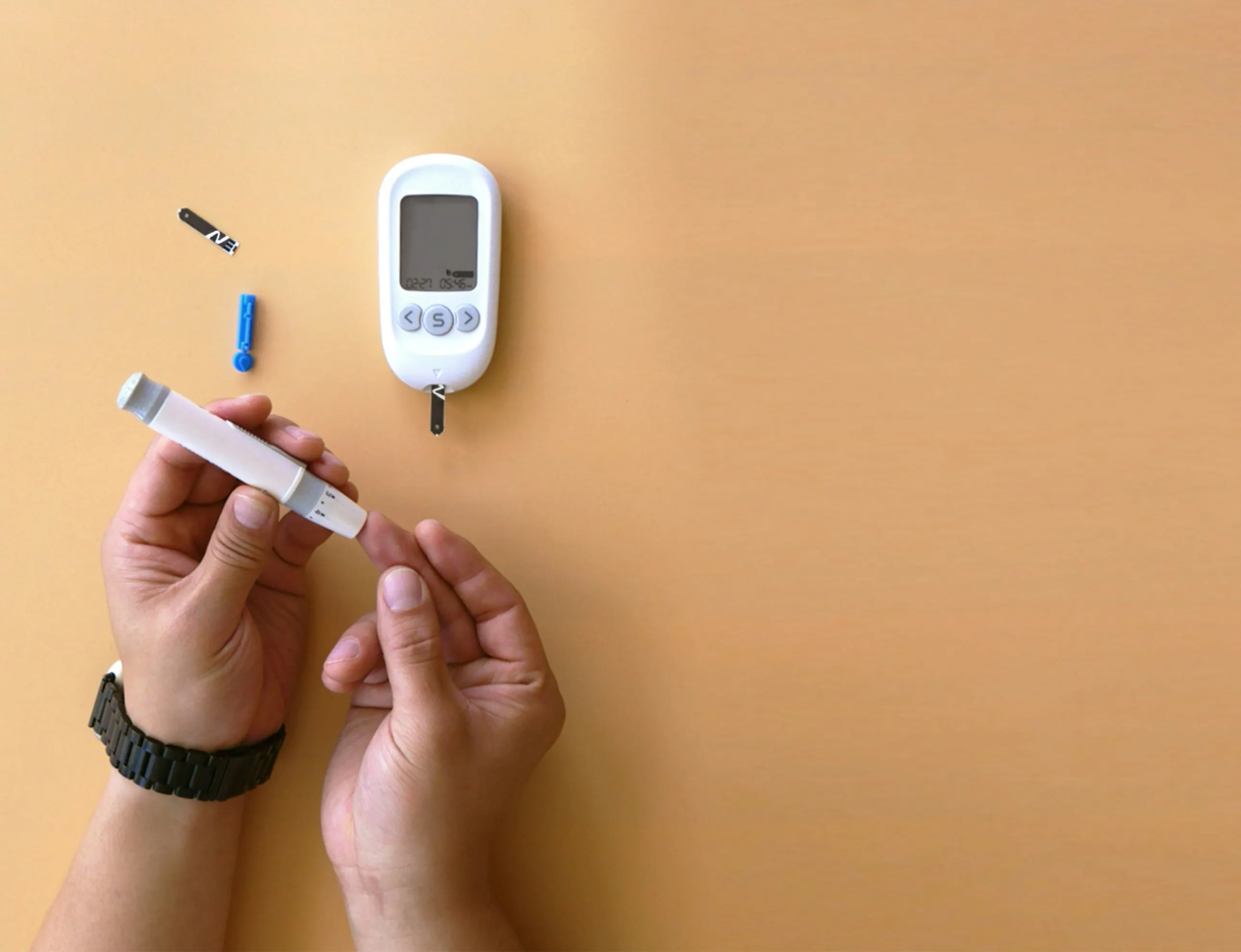
Three words that change everything. That is what a type 2 diabetes diagnosis feels like in the room. I have watched faces crumple. I have seen people sit very still. I have heard: does this mean I am going to lose a leg?
The fear makes sense. Diabetes has a reputation - and some of that reputation is earned. But here is what I try to convey in the minutes after delivering that diagnosis: the people who lose limbs, who go blind, who end up on dialysis - they are almost always people whose diabetes went undetected for years, or was poorly managed, or was managed without adequate support. The condition itself, caught early and treated properly, is among the most controllable chronic diseases in medicine.
People with well-managed diabetes live long, full, ordinary lives. That is the truth the fear tends to drown out.
What does deserve frank discussion is why people of African heritage are being diagnosed at 2-4 times the rate of white Europeans - and what that means for how we approach screening, treatment, and daily management.
Why African and Black populations are at higher risk
The disparity is real, consistent, and partially understood.
Body composition differences: People of African origin tend to develop insulin resistance and type 2 diabetes at lower BMIs than white Europeans. The standard BMI thresholds for overweight and obesity were developed primarily in European populations and do not translate directly. A person of African heritage with a BMI of 25 may have metabolic risk equivalent to a white person with a BMI of 30. This is why NICE recommends lower BMI thresholds for diabetes screening in Black and South Asian populations (BMI 27.5 instead of the standard 30 for obesity classification).
Visceral fat distribution: Even at similar overall BMIs, people of African origin may have different patterns of fat distribution that confer higher metabolic risk. Visceral fat - fat stored around the abdominal organs rather than subcutaneously - is more metabolically active and drives insulin resistance more directly.
Genetic factors: Specific genetic variants that increase the risk of type 2 diabetes are more prevalent in people of African ancestry, explaining some of the disparity beyond what lifestyle factors alone account for.
Vitamin D deficiency: Nearly universal in dark-skinned people living in the UK. Vitamin D deficiency is independently associated with insulin resistance and higher rates of type 2 diabetes. Correcting deficiency is not a cure but it is one modifiable factor worth addressing.
Dietary transition: Traditional African diets - whole grains, legumes, vegetables, lean protein, minimal processing - have a strong nutritional profile and are associated with lower diabetes risk. The dietary patterns that many diaspora communities adopt in the UK - higher refined carbohydrates, more processed foods, larger portions, more sugary drinks - significantly increase risk.
Symptoms - what type 2 diabetes actually feels like
Many people have no symptoms at all in the early stages - which is precisely why screening matters. When symptoms do occur:
Increased thirst and frequent urination: The classic presentation. When blood glucose is high, the kidneys attempt to filter out the excess by producing more urine. This causes thirst to compensate for fluid loss.
Fatigue: Cells cannot use glucose for energy without adequate insulin signalling, so energy production is impaired at a cellular level. The fatigue of diabetes is often profound and not explained by activity levels or sleep.
Blurred vision: High blood sugar causes fluid shifts that affect the shape of the lens of the eye, blurring vision. This usually resolves when blood glucose is brought under control.
Slow-healing wounds: High blood sugar impairs both immune function and the microcirculation that supplies healing tissue.
Recurrent infections: Particularly fungal infections (thrush) which thrive in high-glucose environments. Recurrent genital thrush in a woman who has not had it before should prompt a diabetes check.
Tingling or numbness in hands or feet: Suggests early peripheral neuropathy, meaning diabetes has likely been present for some time. This should be investigated promptly.
The HbA1c test - understanding your numbers
HbA1c (glycated haemoglobin) measures the average blood glucose over the past 2-3 months. It is the standard test for diagnosing and monitoring diabetes. It works by measuring what proportion of haemoglobin molecules in your red blood cells have had glucose attached to them - a process that occurs proportionally to how high your average blood glucose has been.
| HbA1c | Status |
|---|---|
| Below 42 mmol/mol | Normal |
| 42-47 mmol/mol | Prediabetes - increased risk, lifestyle intervention recommended |
| 48 mmol/mol and above | Type 2 diabetes |
For people already diagnosed with diabetes, the treatment target is usually below 48-53 mmol/mol (individualised based on age, risk of hypoglycaemia, and other factors).
Treatment - the honest picture
Lifestyle first - and remission is possible: For people newly diagnosed with type 2 diabetes, particularly with HbA1c below 58, intensive lifestyle intervention can achieve remission. The landmark DiRECT trial, published in The Lancet in 2018, showed that a structured low-calorie dietary programme (approximately 800kcal/day for 3-5 months, followed by structured food reintroduction) achieved remission in 46% of participants at one year, and 36% at two years. Remission means HbA1c below 48 without medication.
The NHS now offers the Type 2 Diabetes Path to Remission programme (formerly DiRECT) in some areas. Ask your GP whether you are eligible.
Metformin: First-line medication for most people with type 2 diabetes. It works primarily by reducing glucose production in the liver. It does not cause hypoglycaemia (low blood sugar) when used alone. It is inexpensive, extensively studied over decades, and generally well tolerated. The main side effects - gastrointestinal symptoms including nausea and diarrhoea - are reduced by starting at a low dose, taking with food, and using the modified-release preparation.
SGLT2 inhibitors (empagliflozin, dapagliflozin, canagliflozin): A significant recent advance in diabetes management. These medications reduce blood glucose by making the kidneys excrete it in urine. Beyond glucose lowering, they have demonstrated in large randomised trials significant reductions in cardiovascular events, heart failure hospitalisation, and progression of kidney disease - independently of their glucose-lowering effect. NICE now recommends them early in treatment for people with type 2 diabetes and established cardiovascular disease or high cardiovascular risk.
GLP-1 receptor agonists (semaglutide - Ozempic, liraglutide): Injected weekly (semaglutide) or daily (liraglutide). Highly effective at reducing blood glucose and causing significant weight loss. Semaglutide (as Wegovy) is also licensed for obesity independently of diabetes. The SELECT trial published in 2023 showed semaglutide reduced cardiovascular events by 20% in people with cardiovascular disease and obesity - a landmark finding.
Insulin: When oral medications and injectables are insufficient to control blood glucose, insulin is required. This is not a failure - it reflects the progressive nature of type 2 diabetes as beta cell function declines over time. Modern insulin analogues, combined with blood glucose monitoring or continuous glucose monitoring, make insulin management significantly more manageable than it was a generation ago.
Case study: Adaeze's diagnosis and reversal
Adaeze, 47, came to me after a routine health check at her workplace showed HbA1c of 54. She was significantly overweight, primarily sedentary, and eating a diet that included white rice twice daily, sugary drinks with most meals, and minimal vegetables.
She was distressed. She had watched her father manage diabetes for 20 years with multiple complications. She asked me if this was her future too.
We discussed options. She did not want to go straight to medication. We enrolled her in the NHS Diabetes Prevention Programme. We worked through specific dietary changes that respected her food culture: halving her rice portion, replacing sugary drinks with water, adding a portion of vegetables to every meal, and switching to whole grain alternatives where possible.
She started walking 30 minutes after dinner each evening - an approach with specific evidence for improving postprandial (after-meal) blood glucose.
At her 6-month review, her HbA1c was 44 - prediabetic range, not diabetic range. At 12 months, it was 40 - completely normal.
She achieved remission through lifestyle change alone. She still monitors annually.
"My father had no information," she told me. "Nobody told him about any of this. I feel like I have been given something he never had."
Complications - and how to reduce your risk
Long-term high blood glucose causes damage to blood vessels and nerves throughout the body. The complications of poorly controlled diabetes include:
Retinopathy: Damage to the blood vessels of the retina, the leading cause of blindness in working-age adults in the UK. Annual eye screening (retinal photography) is offered to everyone with diabetes on the NHS.
Nephropathy: Kidney damage that can progress to kidney failure requiring dialysis. Monitored by annual urine albumin and eGFR testing.
Neuropathy: Nerve damage causing pain, tingling, numbness (particularly in feet), and autonomic dysfunction.
Cardiovascular disease: Diabetes doubles the risk of heart attack and stroke. Blood pressure control, statin therapy, and smoking cessation are essential alongside glucose management.
Diabetic foot disease: The leading cause of non-traumatic amputation. See our dedicated diabetic foot care guide.
The good news: these complications are not inevitable. The UKPDS trial demonstrated conclusively that tight blood glucose control significantly reduces the risk of all microvascular complications. Every percentage point reduction in HbA1c reduces complication risk meaningfully.
Sources: NICE Clinical Guideline NG28 - Type 2 Diabetes in Adults (2015, updated 2022); Lean MEJ et al, The Lancet 2018 (DiRECT trial); Wilding JPH et al, NEJM 2021 (semaglutide STEP trial); Lincoff AM et al, NEJM 2023 (SELECT cardiovascular trial); UKPDS Group, The Lancet 1998; Diabetes UK - Diabetes and Ethnicity 2023; NHS Diabetes Prevention Programme outcomes data 2023.